Explained
Tech jargon translated into plain English. Concepts, standards, and technologies explained without the unnecessary complexity.
Featured in Category
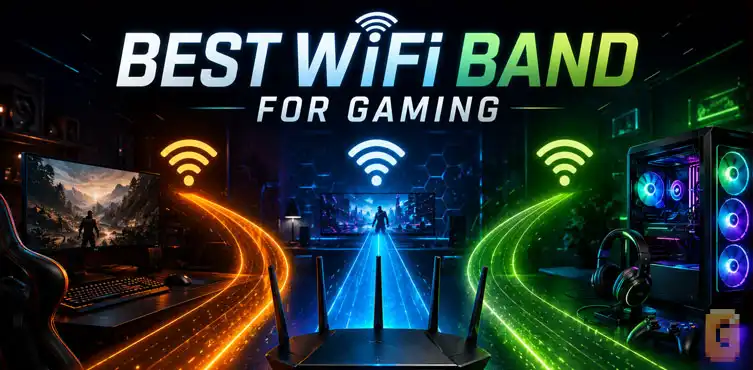
Best WiFi Band for Gaming: 2.4 vs 5 vs 6GHz
For most gamers, 5 GHz is the best balance of range, reliability, and latency, while 6 GHz can be even better when your gaming device...
Featured in Category
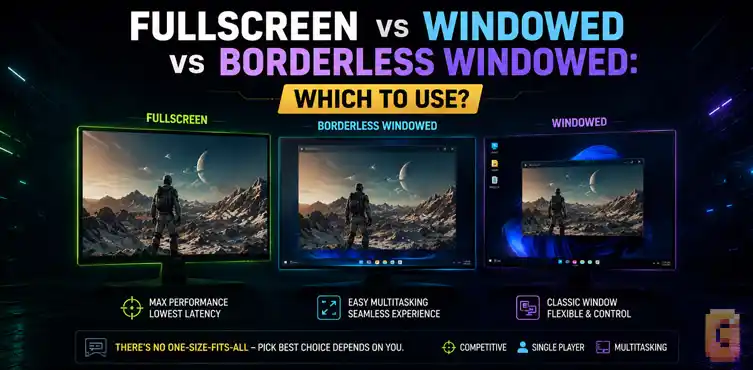
Fullscreen vs Windowed vs Borderless Windowed: Which to Use?
For most modern PC games, borderless windowed performs almost the same as fullscreen. The biggest remaining difference is input latency, not FPS. If you never...
Featured in Category
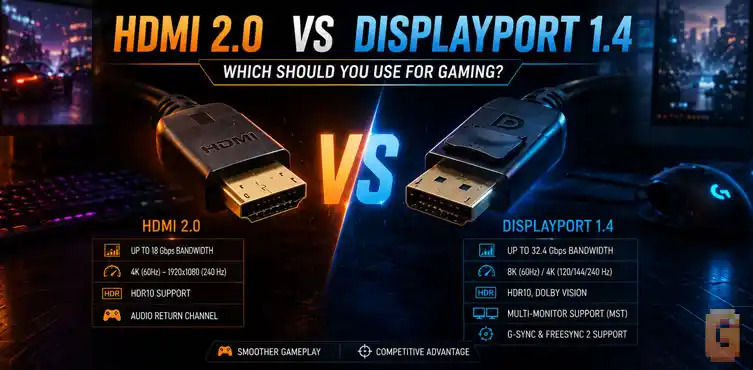
HDMI 2.0 vs DisplayPort 1.4: Which Should You Use for Gaming
If you're choosing between HDMI 2.0 and DisplayPort 1.4 for a PC gaming monitor, DisplayPort 1.4 is usually the better choice because it offers much...
Featured in Category
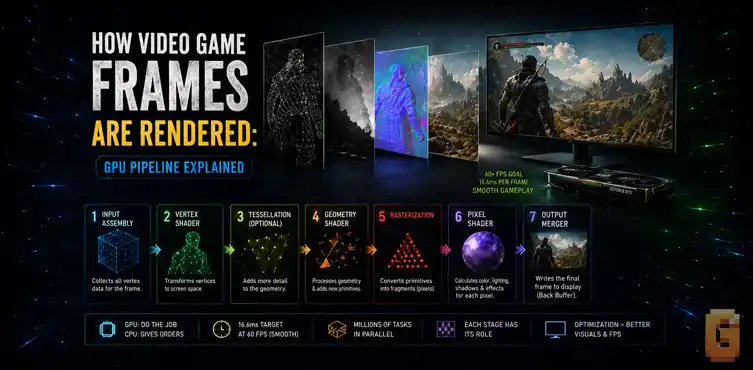
How Video Game Frames Are Rendered: GPU Pipeline Explained
Rendering a game frame is a coordinated handoff where the CPU calculates game logic, compiles instructions called draw calls, and sends them to the GPU....
Featured in Category
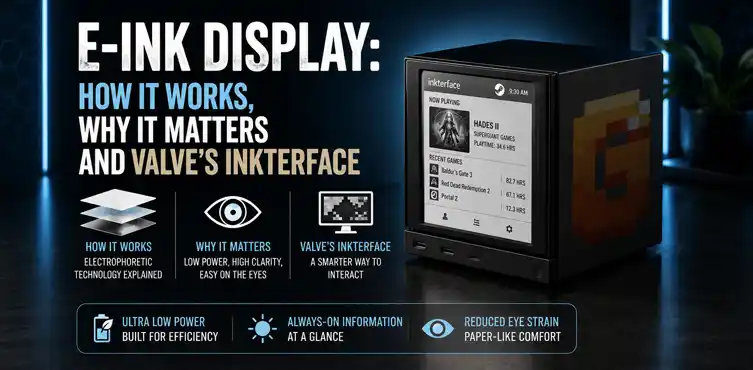
E-Ink Display: How It Works, Why It Matters and Valve’s Inkterface
An e-ink display uses tiny charged particles in microcapsules to create paper-like images that stay visible with zero power once drawn. Valve just open-sourced the...
Featured in Category
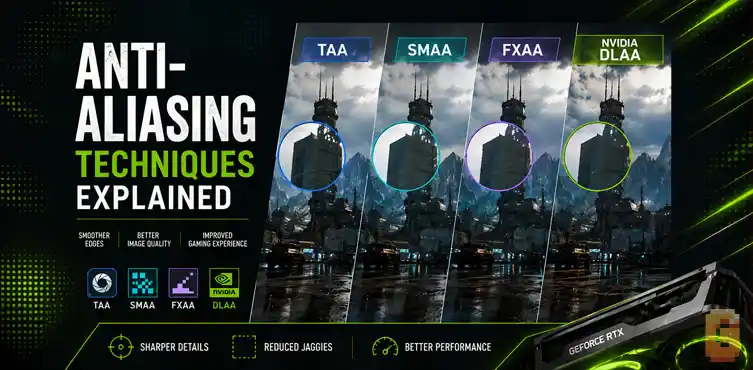
Anti-Aliasing Techniques Explained: TAA, SMAA, FXAA and NVIDIA DLAA
If you only remember one thing, remember this: modern anti-aliasing has split into two categories. Traditional methods like FXAA, SMAA, and TAA rely on shader-based...