Explained

Tech jargon translated into plain English. Concepts, standards, and technologies explained without the unnecessary complexity.

Featured in Category
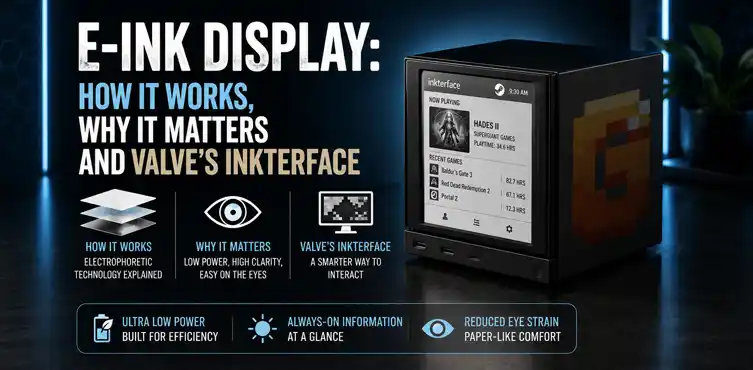
E-Ink Display: How It Works, Why It Matters and Valve’s Inkterface

E-Ink Display: How It Works, Why It Matters and Valve’s Inkterface

An e-ink display uses tiny charged particles in microcapsules to create paper-like images that stay visible with zero power once drawn. Valve just open-sourced the...

Featured in Category
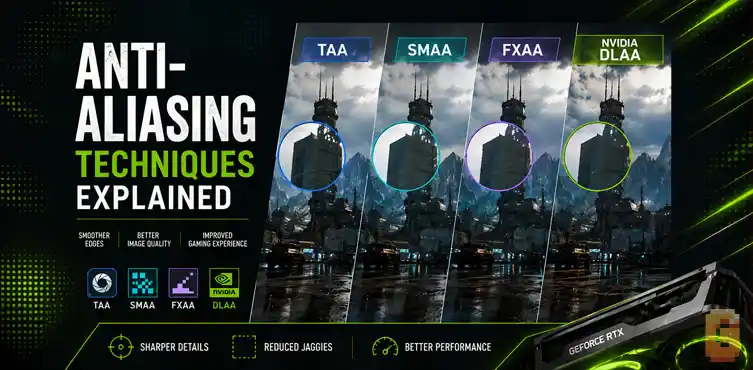
Anti-Aliasing Techniques Explained: TAA, SMAA, FXAA and NVIDIA DLAA

Anti-Aliasing Techniques Explained: TAA, SMAA, FXAA and NVIDIA DLAA

If you only remember one thing, remember this: modern anti-aliasing has split into two categories. Traditional methods like FXAA, SMAA, and TAA rely on shader-based...

Featured in Category
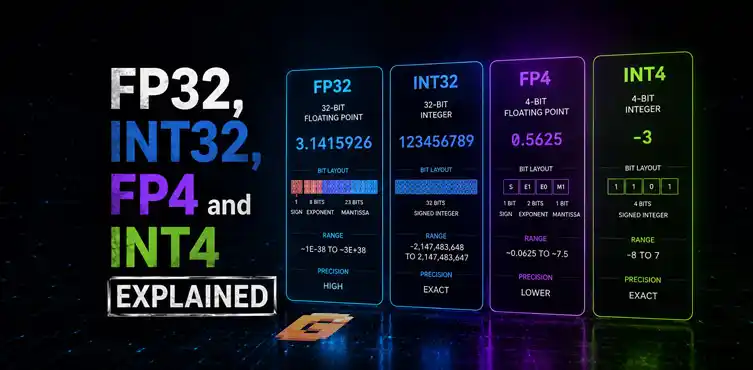
FP32, INT32, FP4 and INT4 Explained

FP32, INT32, FP4 and INT4 Explained

FP32 and INT32 are traditional GPU data formats used for graphics, physics, and general computing. FP4 and INT4 are ultra-low-precision formats designed mainly for modern...

Featured in Category
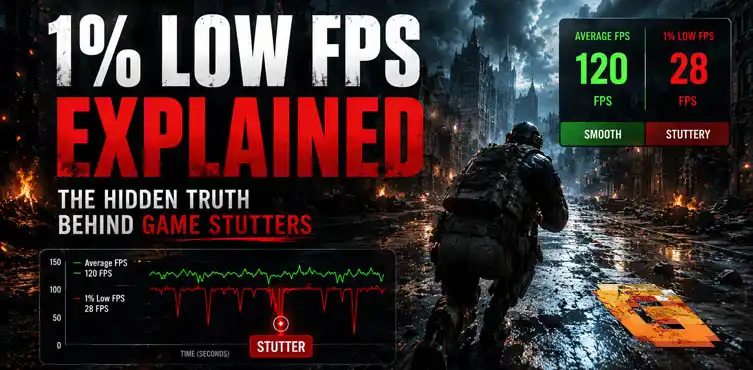
1% Low FPS Explained: The Hidden Truth Behind Game Stutters

1% Low FPS Explained: The Hidden Truth Behind Game Stutters

Average FPS shows overall speed, but 1% low FPS and 0.1% low FPS reveal the real stutters that ruin your experience. 1% low FPS explained...

Featured in Category
What are AI Tokens? A Clear Explanation for Everyone

What are AI Tokens? A Clear Explanation for Everyone

If you've ever wondered what are AI tokens, here's the short answer: they're the smallest chunks of text that an AI model processes at a...